Introduction
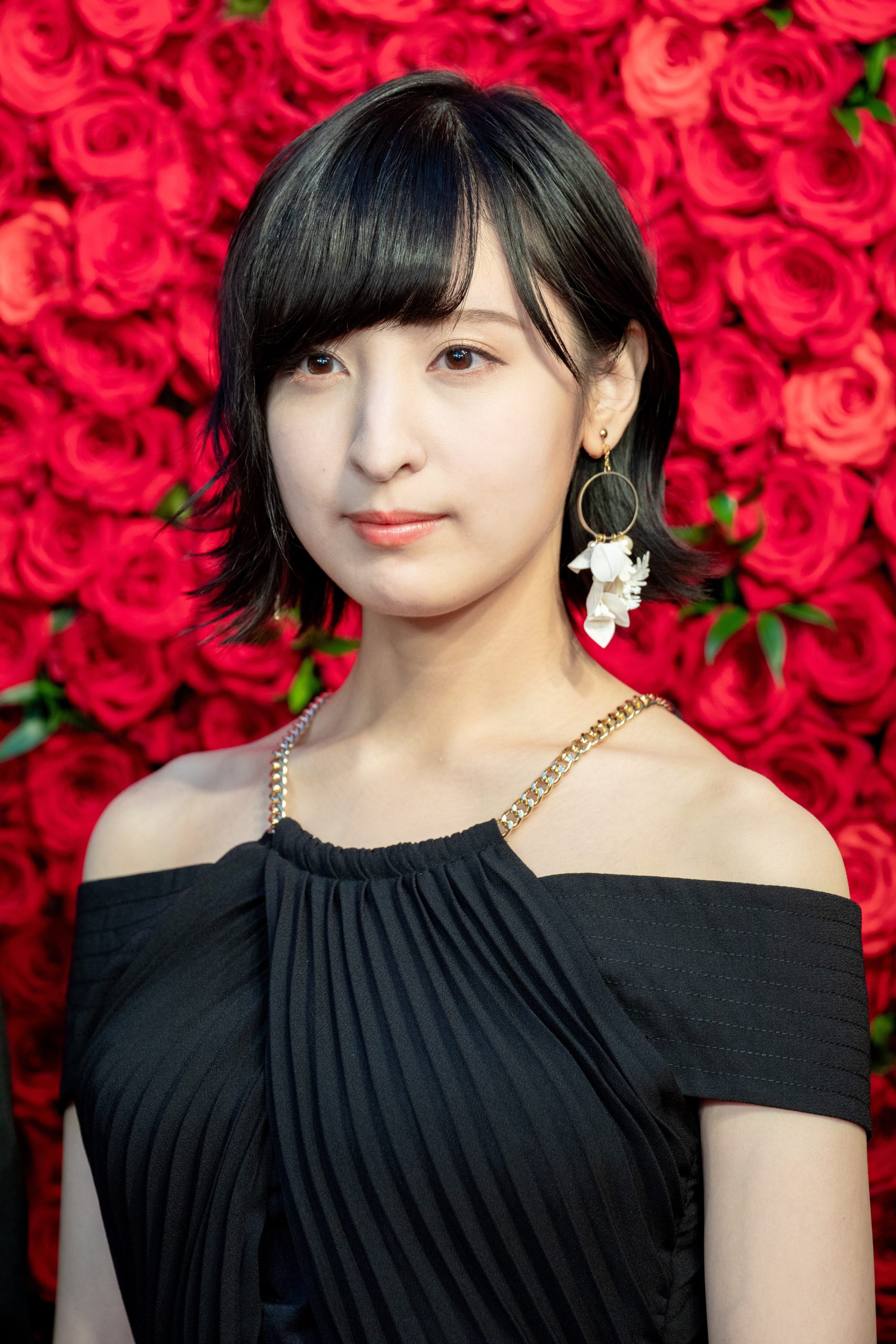
Ayane Sakura is a Japanese voice actress whose work spans television anime, films, games, character songs and variety programming. She is affiliated with Aoni Production and is particularly recognized for roles that require sharply different emotional registers: Ochaco Uraraka’s warmth in My Hero Academia, Yotsuba Nakano’s lively energy in The Quintessential Quintuplets, and Ran Mitake’s harder-edged musical presence in BanG Dream!.
For many fans, Sakura’s appeal lies in the contrast between her conversational performances and her more forceful character work. As Ran, the vocalist of the rock band Afterglow, she delivers lines and songs with an intense, raspy attack that fits the character’s prideful, direct personality. That performance has made her an especially visible figure within the seiyuu side of the BanG Dream! franchise.
| Field | Verified information |
|---|---|
| Japanese name | 佐倉綾音 |
| Born | January 29, 1994 |
| Birthplace | Tokyo, Japan |
| Occupation | Voice actress and actress |
| Current affiliation | Aoni Production |
| Known roles | Ochaco Uraraka, Yotsuba Nakano, Nao Tomori, Ran Mitake and others |
| Recognition | Best Supporting Actress, 12th Seiyu Awards |
Her career is best understood through both sides of the profession: the recorded performances that built her anime reputation and the public-facing work connected to music, radio, events and television. The available documentation does not support a separate conventional idol debut, but it does show a performer whose work frequently crosses into music and entertainment.
Early Life and Background
Sakura was born in Tokyo on January 29, 1994, according to her IMDb biography. Public biographical material also describes an early desire to become an actress. One supplied biography states that this interest led her to enroll for training, although the available research does not establish the name of the school or provide a detailed account of her education.
That limited early record is worth treating carefully. Fan biographies often repeat personal details without identifying their original source, while the established reference listings concentrate more heavily on Sakura’s professional credits. What can be stated with confidence is that her path was directed toward acting before her career became identified primarily with voice work.
Her later affiliation history is clearer. Sakura is listed as an Aoni Production voice actress, and the agency’s official search page is the most appropriate place to confirm her current professional representation. Earlier reference material associated her with I’m Enterprise, but the supplied research also reports that she joined Aoni Production in February 2022. Because agency records can change, current listings should take priority over older fan-maintained pages.
Idol or Entertainment Career
Sakura is sometimes discussed in idol and seiyuu-idol contexts because her work includes singing, character-based music and public appearances. The supplied material, however, does not verify a conventional idol-group debut, a named personal idol unit, or a complete chronology of stage activities. It is more accurate to describe her as a voice actress who has participated in entertainment and music projects rather than to assign her an unsupported idol biography.
Her strongest connection to that world is BanG Dream!, a multimedia project in which voice performers are closely linked to their characters’ musical identities. Sakura voices Ran Mitake, the singer of Afterglow. This role places her in a performance tradition where a seiyuu’s vocal interpretation is part of the character’s public identity, not merely a behind-the-scenes recording credit.
That distinction matters in Sakura’s case. Ran’s singing style is more aggressive than the bright, polished delivery often associated with fictional idol groups. Sakura’s intense, raspy delivery gives Afterglow a rock-oriented edge and helps separate Ran from the other voices in the franchise. The result is a performance that feels character-led: the vocal texture communicates Ran’s stubbornness and emotional force before the listener even considers the lyrics.
Entry Into Voice Acting
The supplied IMDb trivia identifies Sakura’s voice-acting debut as taking place in 2010, with a minor role in Keroro. That early credit marked the beginning of a career that soon expanded into recurring and leading parts across television anime and related media.
Her progression was not defined by a single overnight breakthrough. Instead, Sakura accumulated roles that demonstrated range: energetic young women, reserved or emotionally guarded characters, comic personalities and singers. This variety became an important part of her professional identity. Reference databases such as Anime News Network, MyAnimeList and Behind The Voice Actors document the breadth of her credits, although individual databases do not always present identical selections.
The move from minor parts to major roles also showed why Sakura became a sought-after performer. She could project brightness without making every character sound alike, and she could shift into sharper or more abrasive tones when a role demanded it. That flexibility is especially clear when Ran Mitake is compared with the softer emotional register associated with Ochaco Uraraka.
Major Anime Roles
Sakura’s most widely recognized character credit is Ochaco Uraraka in My Hero Academia. Behind The Voice Actors lists her among Sakura’s notable roles, while multiple supplied references identify Uraraka as one of the performances for which she is best known. The character gives Sakura room to balance friendliness, determination and vulnerability rather than relying on a single vocal effect.
She also voices Yotsuba Nakano in The Quintessential Quintuplets. The role is frequently cited in voice-actor reference material and places Sakura in an ensemble where distinctions between closely related characters are central to the performance. Her work as Yotsuba is another example of the lively, open energy that contrasts with her more severe characters.
Among other documented credits are Nao Tomori in Charlotte, a role identified in supplied fan and reference material, and Mitake Ran in BanG Dream!. She is also associated with Yae Miko, as listed by Behind The Voice Actors, and Abiko Samejima, the introverted author character from Oshi no Ko’s “Tokyo Blade” storyline, according to the supplied discussion reference.
Additional supplied material identifies Sakura with Saki Saki, one of the principal characters in Girlfriend, Girlfriend, and Gabi Braun in the Attack on Titan franchise. Readers exploring the wider Anime Characters archive can place these roles alongside the many other performances that define contemporary anime voice acting.
These parts do not form a single type. Uraraka is emotionally open, Yotsuba is exuberant, Ran is confrontational and musically forceful, while Nao Tomori and Abiko Samejima belong to more guarded character spaces. That contrast is central to Sakura’s reputation: she is not tied to one signature persona, even though her voice remains recognizable.
Music and Group Activities
Music is most directly connected to Sakura through Afterglow, the fictional rock band in BanG Dream!. She provides the voice of Ran Mitake, the group’s vocalist. The BanG Dream! reference entry explicitly identifies Sakura as Ran’s voice actress, while the supplied music intent identifies Ran as an Afterglow rock vocalist.
Sakura’s performance as Ran is notable for its intense raspy delivery. Rather than smoothing the character into a conventional pop vocal, the performance leans into grit and pressure. That approach suits Afterglow’s rock identity and gives Ran an audible toughness. It also demonstrates how a seiyuu can carry a character across dialogue, recorded music and live-oriented franchise presentation.
The supplied Deezer listing confirms that Sakura has a catalog of albums, songs, concerts and featured music associated with her name. It does not provide a sufficiently detailed, authoritative track list for this article, so specific solo song titles and release dates are omitted. The same caution applies to claims about a full discography or a separate permanent music group: the available research establishes music activity, but not a complete chronology.
In practical terms, Sakura’s music work is best represented by the Ran and Afterglow connection. It is the clearest documented example of her voice acting becoming a sustained musical performance rather than a one-off character song.
Other Entertainment Work
Sakura’s career is not limited to anime recording sessions. The supplied research identifies her as an actress and notes appearances connected with television and public entertainment. In February 2025, MANTANWEB reported that she would appear on the NHK Educational TV variety program Welcome! Yokimaru House.
She has also been associated with film work. IMDb lists her among the performers known for To the Forest of Firefly Lights and Attack on Titan: The Last. The available snippets do not establish the extent of her participation in each production, so those credits are best treated as film-related acting records rather than expanded into unverified production details.
Her public profile has also been supported by interviews, radio-related appearances and franchise events, although the dossier does not provide enough information to build a complete program-by-program list. That restraint is important for seiyuu coverage: voice actors often work across promotional broadcasts, stage events, recordings and television without each appearance receiving the same level of documentation.
Awards and Recognition
Sakura won the Best Supporting Actress award at the 12th Seiyu Awards. The award is one of the clearest formal markers of her standing in Japanese voice acting. Coverage of the ceremony is available through Crunchyroll’s report on the 12th Seiyu Awards.
Her recognition also appears in the continued visibility of her character work. Reference pages repeatedly associate her with Uraraka, Yotsuba, Yae Miko and other prominent roles, while fan and industry databases maintain substantial listings for her credits. Those listings are useful evidence of reach, but they should not be confused with official rankings or award results.
One supplied fan discussion calls her a 2024 “Seiyuu of the Year” nominee. Because the research does not identify the awarding organization or provide an official result, that claim cannot be presented as a confirmed industry award. The documented Seiyu Award remains the reliable formal recognition in the supplied material.
Recent Projects
Sakura remained active in 2025. Anime News Network’s supplied listing references her involvement with Ameku M.D.: Doctor Detective, including a related radio program and a health-screening feature. The available snippet does not provide enough information to state her character credit in that series, so it is safer to identify the project as part of her recent professional activity without assigning an unverified role.
MANTANWEB also reported her appearance on NHK Educational TV’s Welcome! Yokimaru House, reinforcing the breadth of her work beyond conventional anime casting. These appearances show an established performer moving comfortably between voice acting, promotional programming and general television entertainment.
For readers approaching Sakura through BanG Dream!, Ran Mitake remains the essential entry point. For viewers coming from mainstream anime, Ochaco Uraraka and Yotsuba Nakano demonstrate her facility with emotionally open, high-energy characters. Taken together, those projects explain why Sakura continues to occupy a distinctive place among modern Japanese seiyuu: her career combines major anime roles with a vocal presence capable of turning a fictional rock singer into a convincing performer.
Readers interested in related entertainment figures can also explore Ulquiorra Cifer (Bleach). For more profiles in this area, browse the Anime Series section.
Official Social Profiles
Verified public profiles identified during research include YouTube, Facebook, Instagram.
External References
Frequently Asked Questions
Who is Ayane Sakura?
Ayane Sakura is a Japanese voice actress and actress affiliated with Aoni Production. She is known for anime roles including Ochaco Uraraka, Yotsuba Nakano, Nao Tomori and Ran Mitake.
When did Ayane Sakura begin voice acting?
Supplied IMDb trivia identifies her voice-acting debut as taking place in 2010, when she had a minor role in Keroro.
Who does Ayane Sakura play in BanG Dream!?
She voices Ran Mitake, the vocalist of the rock band Afterglow.
What makes Ayane Sakura’s performance as Ran Mitake distinctive?
Her performance uses an intense, raspy delivery that suits Ran’s direct personality and Afterglow’s rock-oriented sound.
What are Ayane Sakura’s best-known anime roles?
Documented notable roles include Ochaco Uraraka in My Hero Academia, Yotsuba Nakano in The Quintessential Quintuplets, Nao Tomori in Charlotte, Yae Miko, Abiko Samejima, Saki Saki and Ran Mitake.
Has Ayane Sakura won an award?
Yes. She won Best Supporting Actress at the 12th Seiyu Awards.
Is Ayane Sakura an idol?
The supplied research does not verify a conventional idol debut. She is more accurately described as a voice actress with music, character-song and entertainment activities, including her work as Afterglow’s vocalist through Ran Mitake.
What recent television work has Ayane Sakura done?
In 2025, MANTANWEB reported that she would appear on NHK Educational TV’s variety program Welcome! Yokimaru House. Recent project listings also connect her with Ameku M.D.: Doctor Detective and related radio programming.